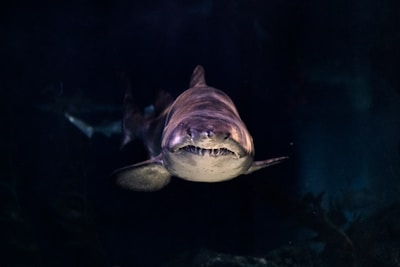
Vulnerable
Great White Shark
Iconic apex predator facing threats from fishing and habitat loss.
The Elasmobranch Conservation Fund is dedicated to the research, protection, and preservation of sharks, rays, and skates worldwide. Together, we can ensure these magnificent creatures thrive for generations to come.
Understanding and protecting the ocean's most misunderstood creatures

The Elasmobranch Conservation Fund (ECF) is a non-profit organization committed to the study and conservation of elasmobranchs - the subclass of cartilaginous fish that includes all sharks, rays, and skates.
Based in Hillsdale, Michigan, we work globally to support critical research, fund conservation initiatives, and educate communities about the vital role these species play in maintaining healthy ocean ecosystems.
Rachel Dreyer founded the Elasmobranch Conservation Fund with a mission to protect the ocean's most misunderstood creatures. Her passion for marine life began during her studies in Zoology at Michigan State University and deepened through hands-on experience.
From 2009 to 2014, Rachel worked at the renowned Mote Marine Laboratory, where she contributed to groundbreaking shark research and conservation programs. Her dedication took her from North America to Oceania and Australia, studying elasmobranchs in diverse marine ecosystems.
A proud mother of two, Rachel believes in inspiring the next generation of ocean stewards and continues to lead ECF's mission to ensure sharks, rays, and skates thrive for centuries to come.

Comprehensive conservation through research, education, and action
Funding critical studies on shark nursery habitats, migration patterns, and population dynamics to inform conservation strategies.
Developing programs to dispel myths about sharks and teach communities about their ecological importance.
Advocating for marine protected areas and sustainable fishing practices to safeguard critical habitats.
Partnering with researchers, governments, and communities worldwide to maximize conservation impact.
Advancing scientific understanding to drive conservation
Our flagship research program focuses on identifying and protecting critical shark nursery habitats. Young sharks depend on these coastal areas for protection during their most vulnerable life stages.
Shark nurseries are typically found in shallow, protected waters such as estuaries, mangroves, and seagrass beds. These areas provide juvenile sharks with abundant food sources and protection from larger predators.
By mapping and studying these critical habitats, we can advocate for marine protected areas and sustainable coastal development practices that ensure the next generation of sharks can thrive.
Migration Patterns: Our tracking studies have revealed that many shark species travel thousands of miles between feeding and breeding grounds, crossing international waters and requiring coordinated conservation efforts.
Population Recovery: Protected areas show promising signs of shark population recovery, with some species increasing by 30% in regions with active conservation programs.
Ecosystem Impact: As apex predators, sharks play a crucial role in maintaining healthy marine ecosystems. Their presence helps regulate prey populations and supports biodiversity throughout the food web.
Fighting to save threatened elasmobranch species worldwide
Iconic apex predator facing threats from fishing and habitat loss.
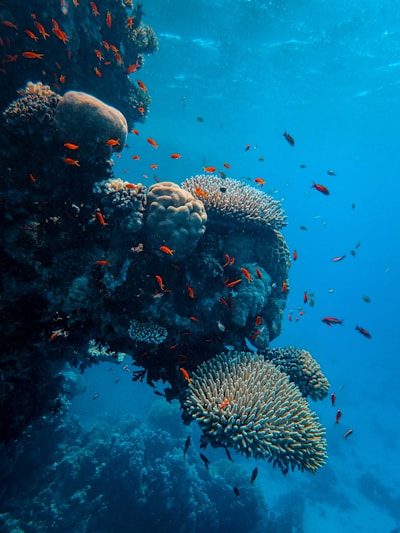
Populations have declined by over 80% due to shark finning.
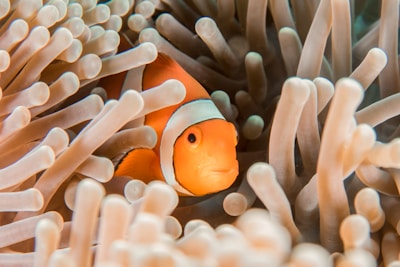
Gentle giants threatened by targeted fishing for gill rakers.
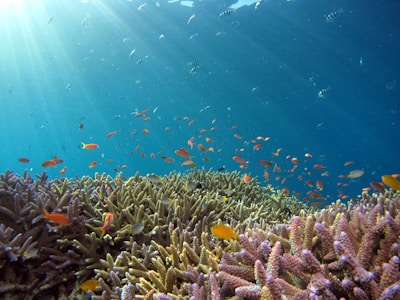
The world's largest fish, facing population declines globally.
Your donation directly funds research, conservation, and education programs
We're setting up secure donation options to support shark and ray conservation. Check back soon to make a contribution that helps protect these magnificent creatures.
Every contribution helps protect vulnerable shark and ray populations.
Located in Hillsdale, Michigan, USA